The Deck & Cards
Indian Points Rummy uses two standard 52-card decks plus two printed Joker cards — a total of 106 cards in play.
(52 cards each)
(♠ ♥ ♦ ♣)
Each suit has 13 ranks: A · 2 · 3 · 4 · 5 · 6 · 7 · 8 · 9 · 10 · J · Q · K
Objective
Arrange all 13 cards into valid melds and declare with 0 deadwood points.
A valid declaration requires:
✅ 1 Pure Sequence (mandatory)
✅ 1 Second Sequence (pure or impure)
✅ Remaining cards in valid sets or sequences
Dealing & Turn Structure
At the start of each game:
- The deck is shuffled and 13 cards are dealt to each player.
- One card is turned face-up to form the open pile (discard pile).
- A Wild Joker is cut — one card from the remaining deck determines the wild rank for that game.
Each Turn
You cannot pick a card from the open pile and immediately discard it back.
Closed Deck
Open Pile
Pure Sequences
A pure sequence is a group of 3 or more consecutive cards of the same suit. No jokers allowed — even if a wild joker card is part of the run, it counts as its natural value.
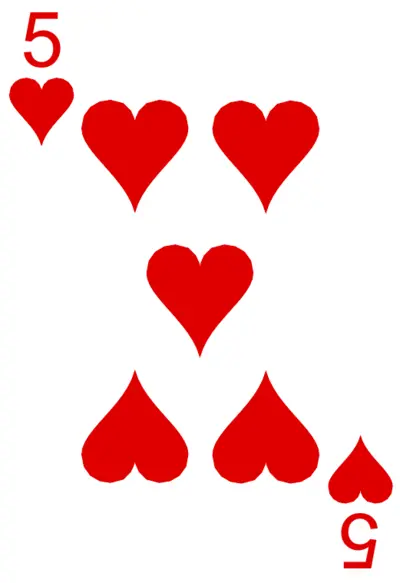
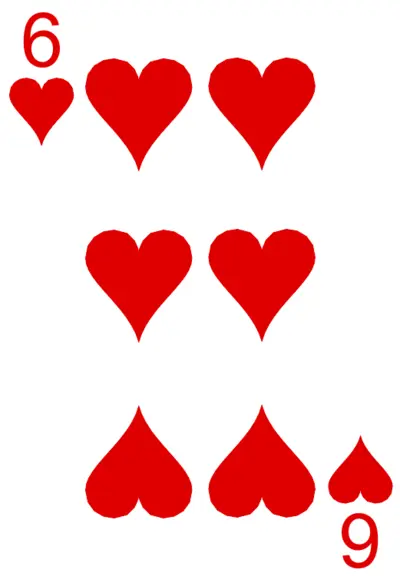
5♥ – 6♥ – 7♥ (pure sequence)

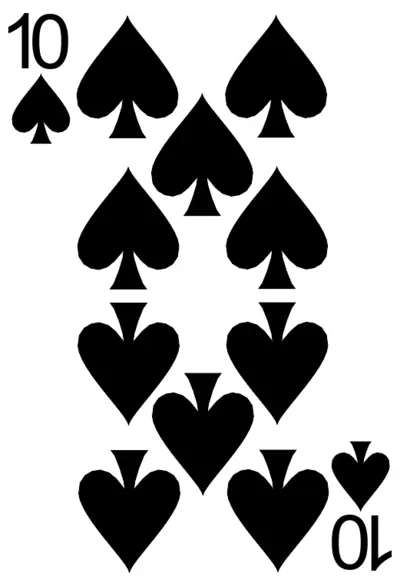
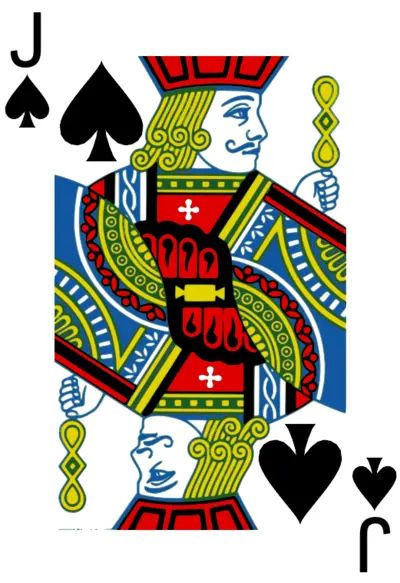
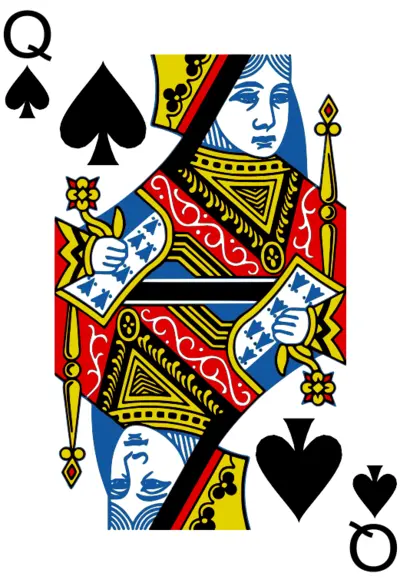
9♠ – 10♠ – J♠ – Q♠ (4-card pure sequence)
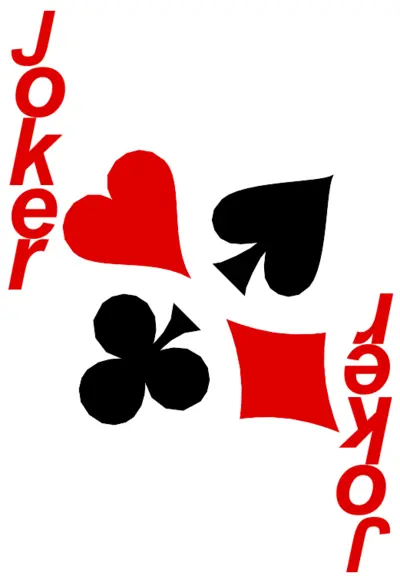
5♥ – Joker – 7♥ (not pure — has joker)
Missing a pure sequence means 80-point maximum penalty on an invalid declaration.
Impure Sequences
An impure sequence is a run of 3+ consecutive same-suit cards where one or more gaps are filled by a Joker (printed or wild).
Impure sequences count as your second sequence requirement or as additional valid melds.
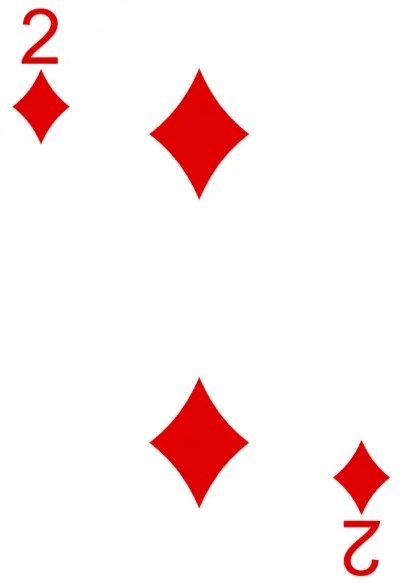
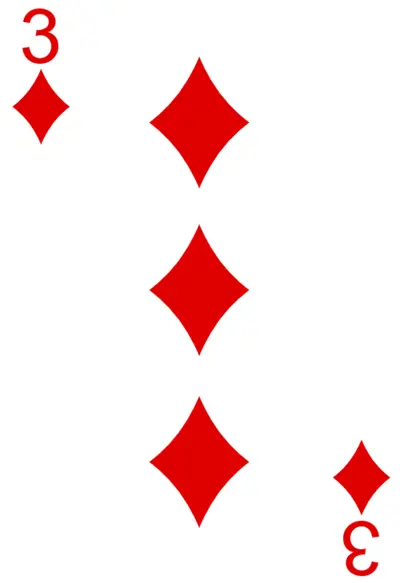
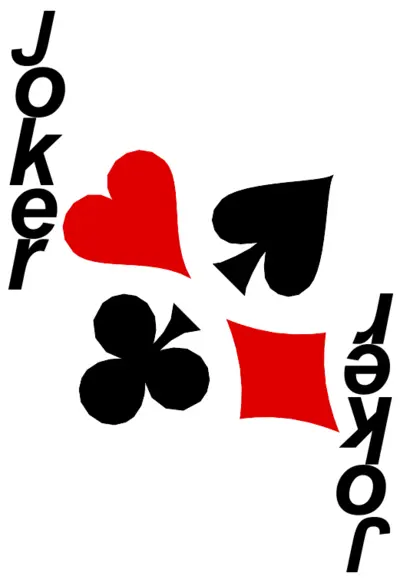
2♦ – 3♦ – Joker (Joker acts as 4♦)
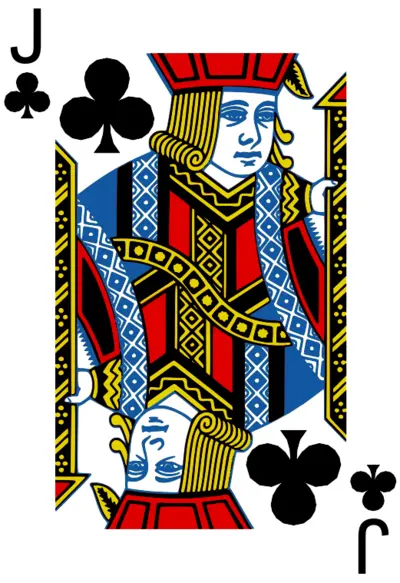
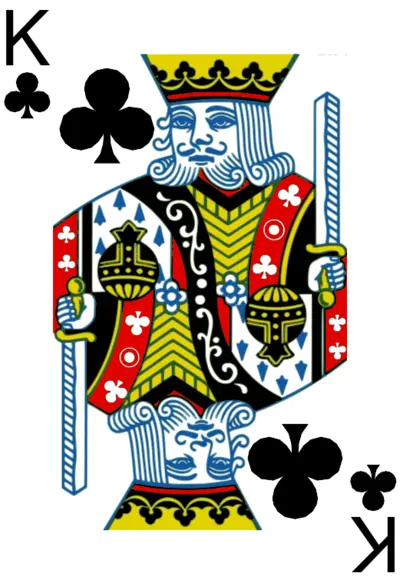
J♣ – Wild – K♣ (Wild replaces Q♣)
Jokers in sequences are flexible — they substitute for any missing card in the run, even at the ends.
Sets
A set is a group of 3 or 4 cards of the same rank, each from a different suit.
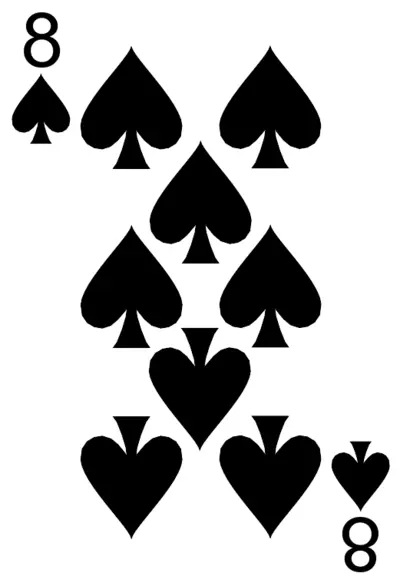
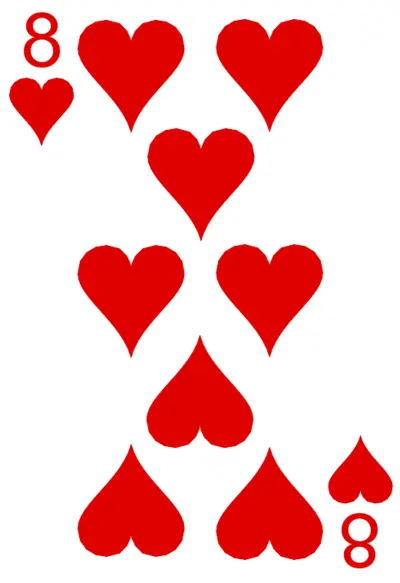
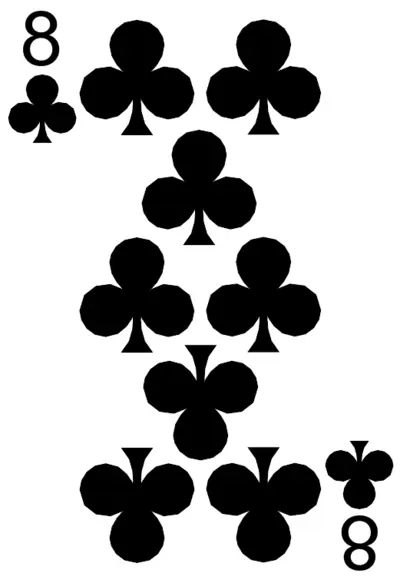
8♠ – 8♥ – 8♣ (three 8s, different suits)
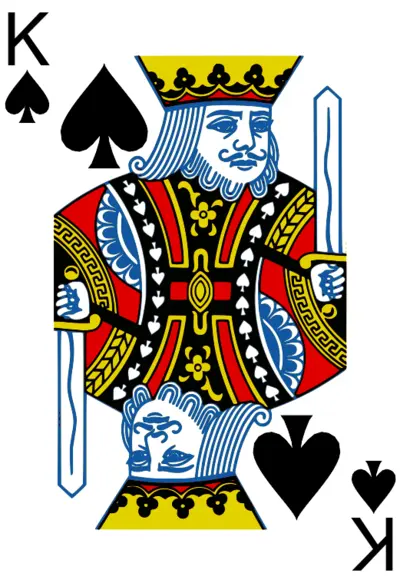
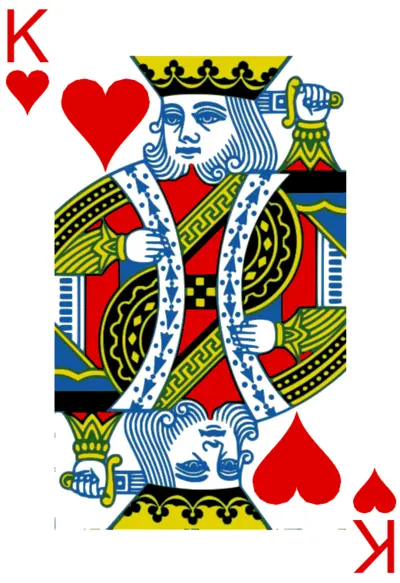
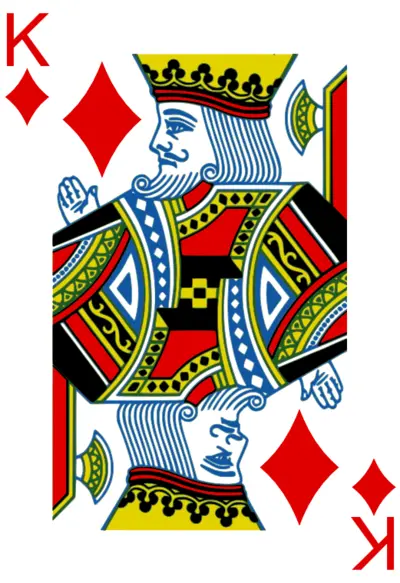
K♠ – K♥ – K♦ – K♣ (four Kings)
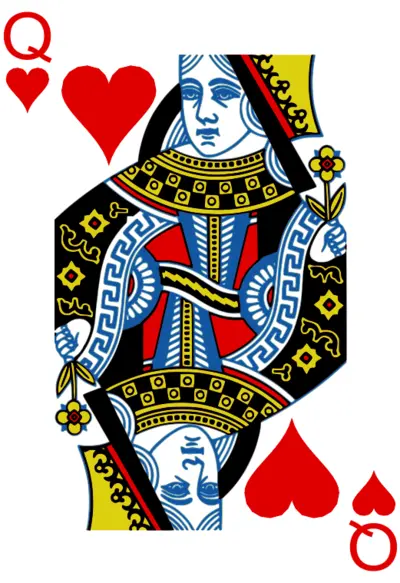
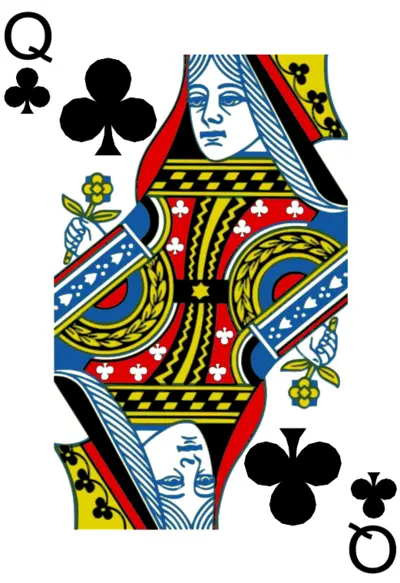
Q♥ – Q♥ – Q♣ (two same suit — invalid!)
Jokers – Wild & Printed
Two types of Jokers can substitute for any missing card in an impure sequence or set:
Printed Joker
The physical Joker card included in card decks. Included from the start — always a joker, always value 0 points.
If a printed Joker is cut as the Wild Joker, Aces become wild jokers.
Wild Joker
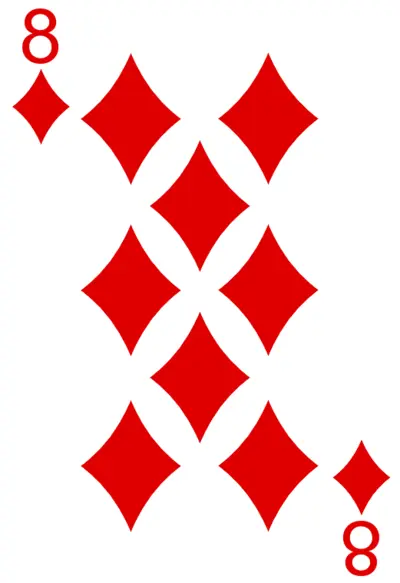
One card is cut at the start. All cards of that rank (all four suits) become Wild Jokers for that game. Example: if 8♦ is cut, all 8s are wild.
A wild joker in its natural position in a sequence counts as a normal card — making it a pure sequence.
Valid Declaration
To win, your 13 cards must form valid groups before you discard the 14th. A valid declaration requires all of the following:
1 Pure Sequence
At least one run of 3+ consecutive same-suit cards with no jokers. This is mandatory. Missing this gives an 80-point penalty.
1 Second Sequence
A second run of 3+ cards (pure or impure — jokers allowed). Can be in any suit.
Remaining Cards in Valid Melds
The rest of your 13 cards must form valid sequences or sets. No leftover cards.
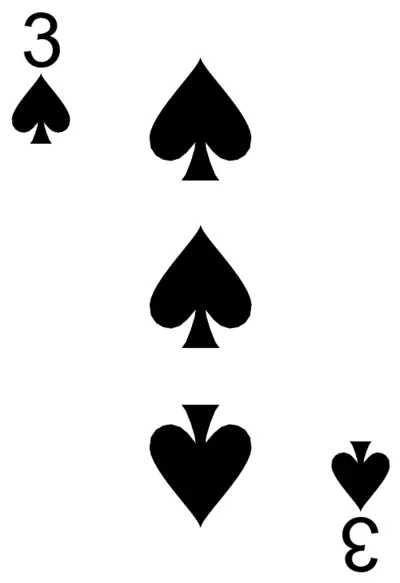
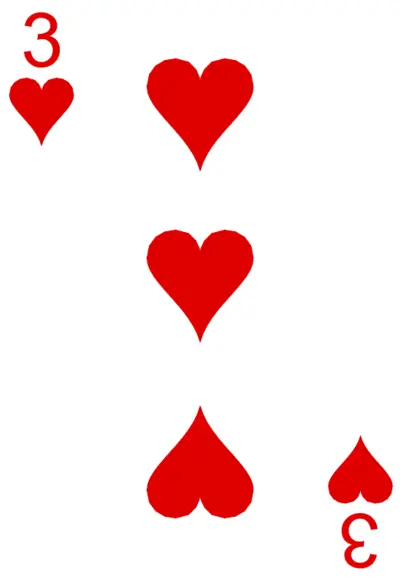
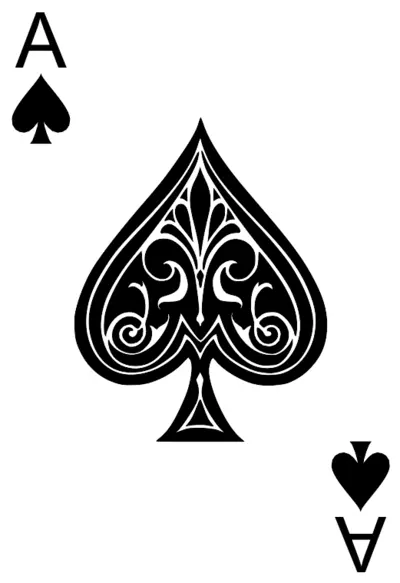
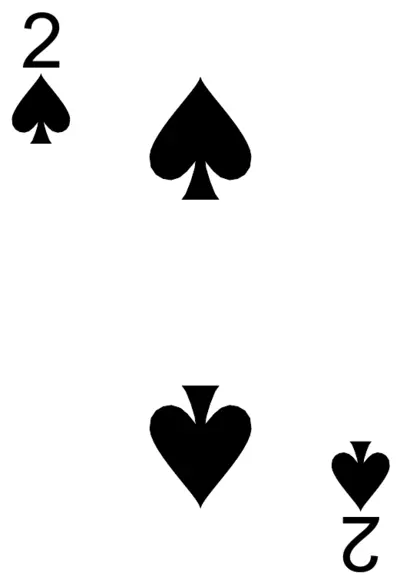
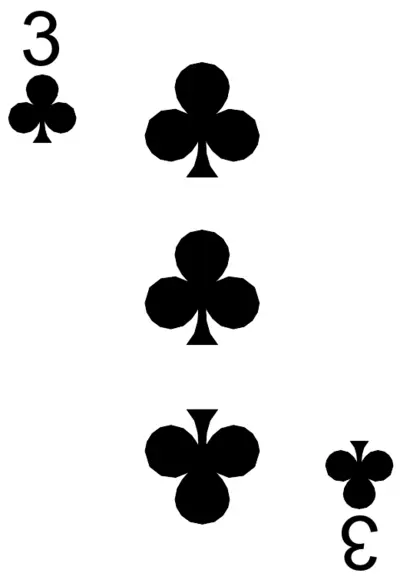
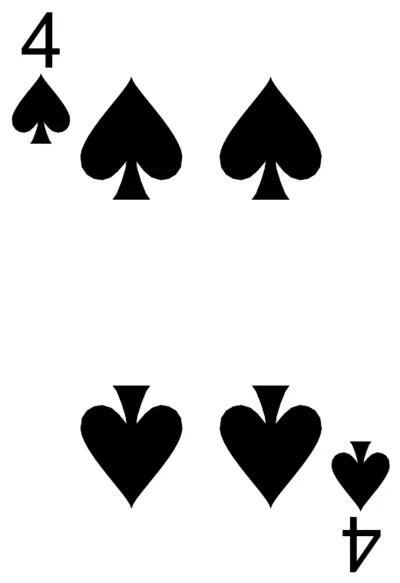
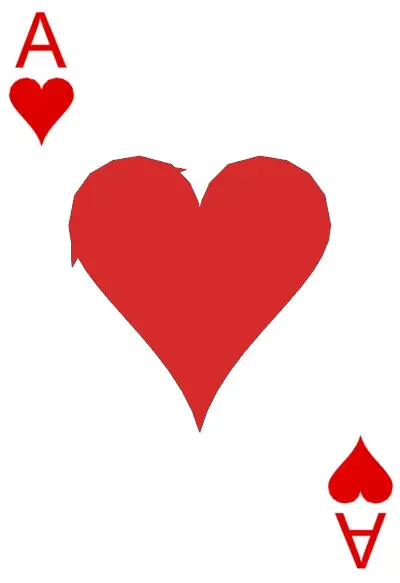
📋 Example Winning Hand
Wild Joker: 8♦
Points & Scoring
The winner scores 0 points. All other players add up their unmelded card values as penalty points.
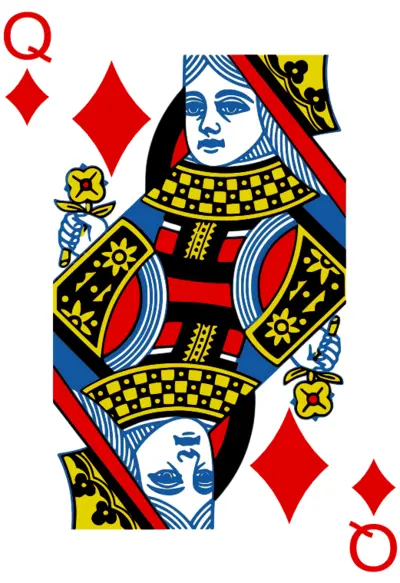
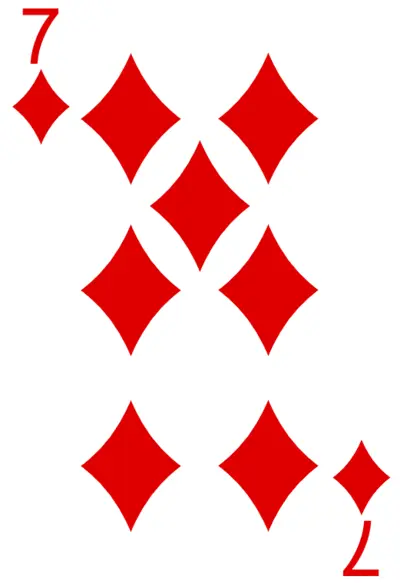
Drop Rules
If your hand is too weak, you can choose to Drop — exit the game voluntarily and accept a smaller penalty than waiting to lose.
Drop before picking any card — on your very first opportunity. The smallest possible exit.
Best if you have no jokers and multiple high unconnected cards.
Drop after picking at least one card — at any point during the game. Double the penalty.
Still better than losing 80 points. Know when to cut your losses.
Declaring with an invalid hand — missing pure sequence, invalid melds, or overlapping groups.
Always double-check your pure sequence before declaring!
Ready to take your game further?
Read the Strategy Guide →